
Scientists in New Zealand observed yellow jacket wasps picking up ants and moving them to a new location so that they couldn’t compete for the same food
National Geographic, 5,000 Awesome Facts, fact #2 in 100 Facts About Ants to Bug Out About
In New Zealand, the yellow jacket wasp, Vespula vulgaris, competes with the native ant, Prolasias advenus, for food. The wasps have been seen taking the ants from food sources, flying off, and dropping them far away.
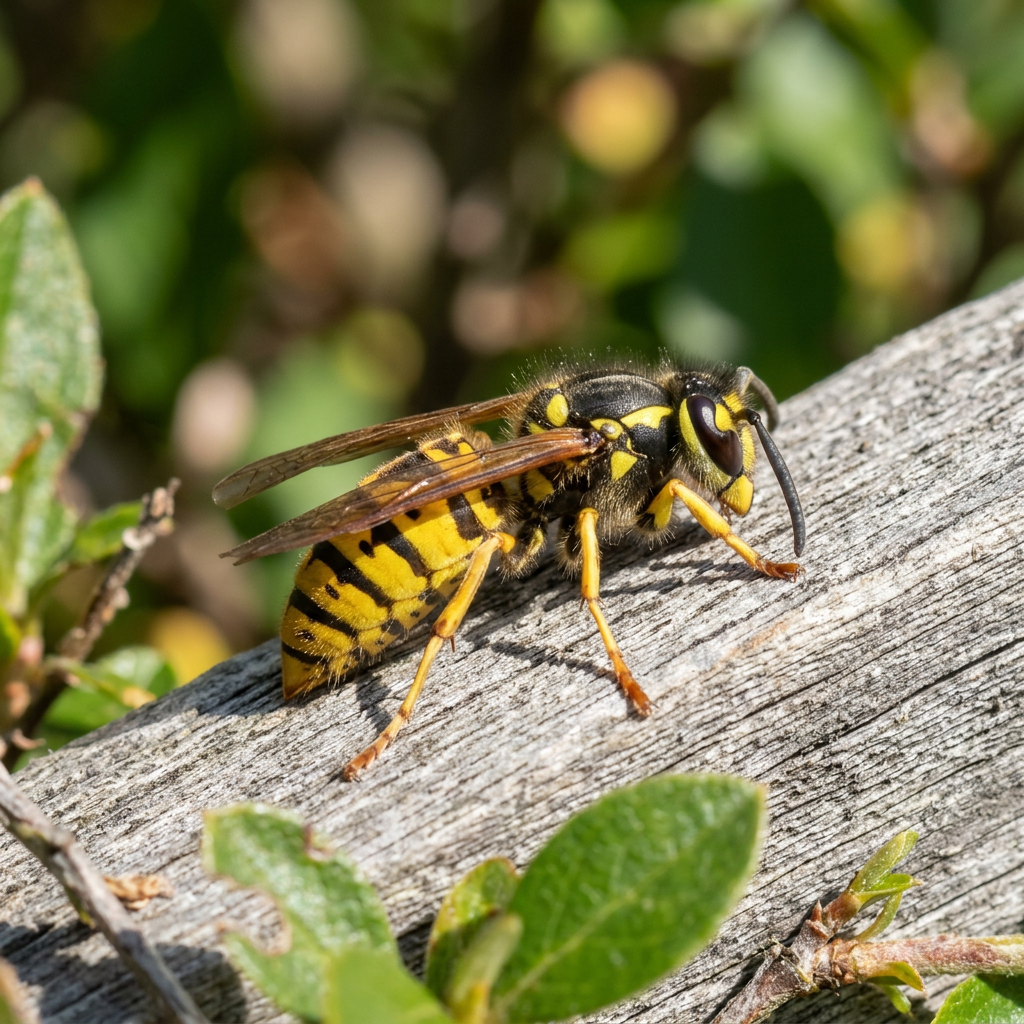
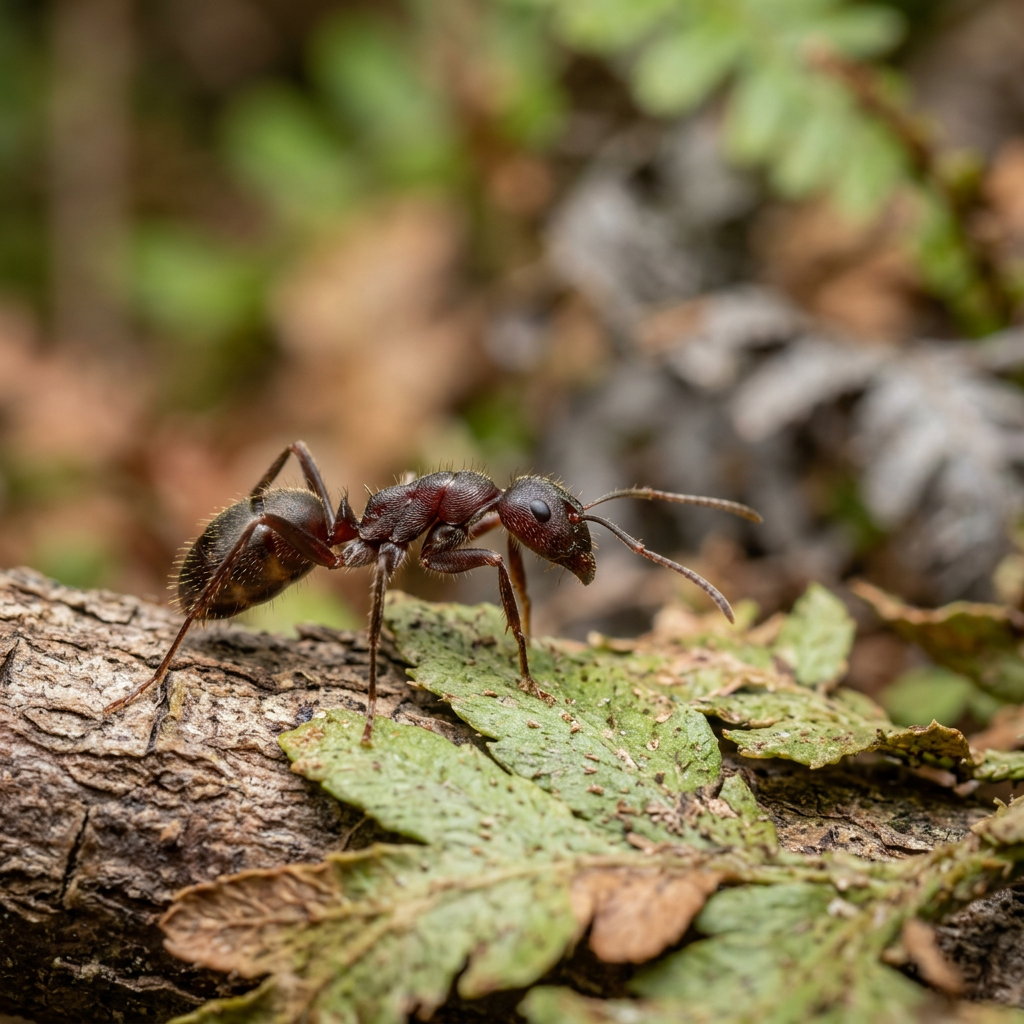
The two insects compete against high energy food such as protein and sugary honeydew.
The honeydew is excreted by aphids on beech trees, and the protein can be found from other insects.
The conflict happens when groups of native ants collect around a food source, and invasive wasps fly in, grabbing the ants in their jaws. The wasps then fly away backwards from the food and drop the ants at a different location.
New Zealand’s relationship with wasps
New Zealand evolved without any native social wasps, so when the wasps were introduced they found an ecosystem that has abundant food, no natural predators and a mild climate. This allowed the wasps’ population to explode in what are some of the highest densities in the world.
Actually, New Zealand has the highest concentration of these wasps in the world.
Social wasps are those species that construct a nest, a colony, with a queen laying eggs and “workers” taking care of the developing larvae, where they forage for food and provide defense for the nest.
Wasp introduction
Hibernating queen wasps were accidentally introduced as stowaways in international cargo ships.
The German wasp arrived in 1945 at Hamilton Air Force base via crates of military aircraft parts from Europe, quickly spreading across the North Island and upper South islands despite intensive eradication efforts.
Eradication efforts
The Environmental Protection Authority has given the green light for introducing the hover fly and the wasp control beetle as bio-control agents. https://www.bbc.com/news/world-asia-56095222)
New Zealand’s ecosystem has been disrupted by wasps, which cost $133 million annually and kill honey bees and other insects.


Leave a Reply